Exploring the Fascination of MahjongWays and its 1996jogo Connection
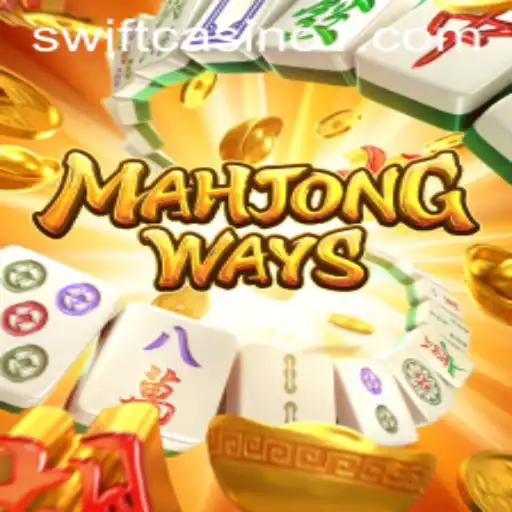
Exploring the Fascination of MahjongWays and its 1996jogo Connection
Introduction to MahjongWays
MahjongWays has captivated gaming enthusiasts with its immersive take on the classic game of Mahjong. Initially gaining traction as a digital representation of the traditional Chinese game, MahjongWays merges beautiful graphics, engaging gameplay, and innovative mechanics to provide a unique gaming experience. It brings the age-old Mahjong culture into the present, making it accessible and enjoyable for new and seasoned players alike.
The 1996jogo Phenomenon
The term 1996jogo is an intriguing link that surfaces when discussing MahjongWays. It can be seen as a bridge connecting MahjongWays to a broader gaming context, possibly indicating a resurgence or interest in retro gaming styles from the year 1996. The same year saw many traditional games getting a new digital twist, much like the way MahjongWays has been adapted for modern audiences. Understanding this connection enriches the contextual depth of the Mahjong game, suggesting a blend of nostalgia and innovation within its gameplay.
History of MahjongWays
Originating from ancient China, Mahjong was traditionally a four-player game involving tiles. MahjongWays retains the essence of the original game but simplifies it for single-player enjoyment in a virtual environment. It reflects the cultural heritage and timeless appeal of Mahjong while incorporating elements suited to modern gaming preferences. The digital version ensures that the nuances of the game are preserved, while also allowing for creative adjustments like diverse themes and bonus features.
Modern Elements and Gameplay Mechanics
MahjongWays integrates several modern elements designed to enhance the player experience. With vibrant graphics and an intuitive interface, players are greeted by a visually appealing layout. The game typically features intricate pathways that mimic traditional Mahjong tile patterns. Players must strategically navigate these pathways to earn points and unlock advanced levels. The blend of chance and strategy involved provides an engaging challenge that keeps players invested.
The Impact of 1996jogo Connection
The reference to 1996jogo can signify a tribute to the gaming styles and mechanics prominent in the mid-'90s. During this era, games often emphasized straightforward yet addictive gameplay. MahjongWays mirrors this trend by offering a gameplay loop that is easy to understand, yet challenging to master. The connection could symbolize a revival of minimalist but captivating game designs, capturing the attention of both older gamers who cherish the past and a younger generation intrigued by retro-style experiences.
Rules of MahjongWays
The rules of MahjongWays are derived from traditional Mahjong but have been modified for the solo digital format. Players start with a certain number of virtual tiles laid out in a specific configuration. The objective is to match these tiles by selecting pairs that are free from obstruction, gradually clearing the board. Points are awarded based on speed, accuracy, and the complexity of the matches made. As players progress, they face increasingly complex layouts that require strategic forethought and pattern recognition. This adds to the replayability and depth of the game.
Strategic Considerations
A key aspect of MahjongWays is its strategic depth. Each move must be calculated to avoid running out of available matches. Players need to plan several steps ahead, considering not only the current state of the board but also how their moves can affect future turns. The game challenges players to adapt and refine their strategies, mirroring the critical thinking required in traditional Mahjong.
Current Trends and Global Appeal
MahjongWays not only stands out due to its engaging mechanics but also for its reflection of global gaming trends. Recent shifts towards casual yet thought-provoking games have made room for innovative takes on classic genres. MahjongWays fits neatly within this trend, offering a game that is easy to pick up yet rewarding to master. Its connection with concepts like 1996jogo reflects an overall trend in the gaming industry toward revitalizing vintage games for contemporary audiences, blending nostalgia with new technological possibilities.
Conclusion
In a rapidly evolving gaming landscape, MahjongWays represents the meeting point of tradition and modernity. By adapting a time-honored game to fit contemporary tastes, it opens the door for players worldwide to experience Mahjong in a fresh and exciting way. The integration of 1996jogo as a conceptual touchpoint serves to enrich the narrative of MahjongWays, linking it to a dynamic period of gaming history where innovations continue to influence modern gameplay. Through this lens, MahjongWays is not just a game but a celebration of cultural heritage, strategic thinking, and the timeless allure of Mahjong.
